Interview with Nasim Basiri
Date6 November 2025
Mediumborn digital audio file
DimensionsDuration: 1 Hour, 12 Minutes, 32 Seconds
ClassificationsInformation Artifacts
Credit LineCommunity History Project Collection
DescriptionAudio file of interview with Nasim Basiri. She was interviewed by Remi Dupuis on November 6, 2025 over Zoom.
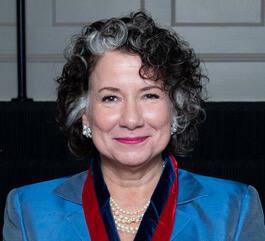
Nasim Basiri was interviewed as part of the Connecticut Museum of Culture and History's Community History Project discussing moments of change in her life.
Nasim Basiri is a Visiting Assistant Professor in Women’s, Gender, and Sexuality Studies at the University of Connecticut, as well as a poet, artist, activist, and academic. In this interview, she told the story of her escape from Iran and eventual settlement in the United States.
To Nasim, change means opposition to overarching systems of power and familiarity with a particular world order or truth, which create a “victimhood mindset.” Change is both individual and political in that personal ideologies or perspectives are intimately tied to these broader systems, so allowing change into one’s life opens up a vision for change larger than oneself. She adds that the present moment is marked by profound transition in which systems are “breaking down,” thus providing an opportunity for humanity to overcome the fear of change and collectively transform the world into something more just, equitable, loving, and creative.
Nasim was raised in Iran and describes it as “a very restrictive country.” After she escaped, she lived all around the world; even though her “dream” was to leave Iran, it was difficult to adjust to living in other places with different norms and less restrictions. But these transnational and multicultural experiences also gave her a deep appreciation of empathy, creativity, and community, which made her feel connected to the world and liberated from one set way of being.
When she lived in Iran, Nasim’s activist and artist community members were often demonized, censored, imprisoned, and executed by the state. Extremist Islamic and patriarchal political-cultural structures further inhibited her capacity to express herself and her feminist views. Despite these suffocating realities, Nasim lived authentically as herself to the best of her ability and sought out many worldviews through literature and languages, to which she was introduced primarily by her father, an English teacher. She was very glad to be a part of the revolutionary movements in her vicinity, but learning about the possibility of a freer life in another country amplified her urgency to leave. She believes she would not be alive today if she hadn’t.
Nasim initially fled to India. She knew, though, that she wanted to go to the U.S. eventually. She grew up consuming American media and was inspired by its “futuristic,” individualistic culture and “intellectual and creative freedom” compared to Iran. When she arrived here, she experienced some culture shock because the media had not shown all of American culture. In recent years, especially since the start of the COVID-19 pandemic, she identifies the U.S.’s increased globalization and political “decay” as major factors in its cultural development, and hopes that she can use her academic career to help stop this decay. She still admires the diversity of this country, which has broadened her ideas of sociopolitical possibility and creativity, and emphasizes the role of community care in cultural engagement.
Describing the evolution of her identity through her transnationalism, Nasim says she was “deeply rooted in [her] cultural and social context,” fighting for justice and liberties in Iran, but “constrained” by the government’s silencing tactics. Her awareness of alternatives to the strict Iranian regime fueled her activism and hope. While studying sociology in Europe, Nasim met wonderful people who helped her develop her identity, and her artistic and academic settings gave her experiences that she uses to inform her current pursuits here in the U.S.
She found community in all the places she lived, although sometimes faced discrimination due to her multicultural, activist, and Iranian backgrounds. But she has never fully “fit in” anywhere, rather, she is a “global human,” made up of all the environments she has encountered. The outsider perspective grants Nasim freedom to be creative and connect with all kinds of people empathetically. Through it all, the artistic world was her anchor, offering space for belonging across her transformations, without the limits of her everyday life. She feels that humanity as a whole is moving towards this globalized, interconnected way of living.
Nasim names her creativity as the key to her construction of community around the world. She wrote poetry and collaborated with people across various disciplines to make art that was spiritually meaningful to her and which came out of a space where ideas could be freely shared. Indeed, her circles welcomed diverse people and differences of opinion, but also held similar values that linked them deeply. Moreover, art is inherently social and political: collaborating with others cultivated reciprocity between Nasim and her colleagues and challenged the power dynamics of hierarchical systems above them. She adds that she, as well as many immigrants, came to the U.S. not only to escape her birth country, but to contribute to this society and seek justice here, too.
Nasim’s various host countries shaped her routines and practices in her day-to-day life as an artist and academic. Studying sociological, feminist, and artistic theories outside of Iran, her interactions with others and the world became highly influenced by these modes of thinking. She also had to adapt to new ways of writing, teaching, and carrying out everyday responsibilities in different contexts. Now, however, her reliance on academic theory has severed somewhat—she feels that academics can become limited by theory, and encourages instead embodied practice, creating and translating knowledge into the real world. For Nasim, reflection and mindfulness were the vital processes that broadened her imagination.
A primary idea behind her relationships with others is embodied love. She is conscious of both similarity and differences between people and is committed to being open to learning from them. She uses love and empathy as “contagious” forces to connect to the collective network of humanity and rebel against oppression that creates fear. This philosophy of living turns her trauma into a source of empowerment and insight. Nasim is proud of her courage in the face of uncertainty and persistence in seeking “truth” unobscured by systemic powers. She has overcome many sharp “trials” in her life as a “cursed activist,” including constant demonization across all of her communities, and persevered, staying true to her fight for justice and peace.
Lastly, Nasim emphasizes that change, no matter how difficult, can bring opportunities to grow exponentially, and that an artistic and/or academic career can give one valuable tools to guide one’s life towards interconnectedness. Also, resistance is an important and contagious spirit that is essential in the prevention of intergenerational trauma.
Nasim Basiri was interviewed as part of the Connecticut Museum of Culture and History's Community History Project discussing moments of change in her life.
Nasim Basiri is a Visiting Assistant Professor in Women’s, Gender, and Sexuality Studies at the University of Connecticut, as well as a poet, artist, activist, and academic. In this interview, she told the story of her escape from Iran and eventual settlement in the United States.
To Nasim, change means opposition to overarching systems of power and familiarity with a particular world order or truth, which create a “victimhood mindset.” Change is both individual and political in that personal ideologies or perspectives are intimately tied to these broader systems, so allowing change into one’s life opens up a vision for change larger than oneself. She adds that the present moment is marked by profound transition in which systems are “breaking down,” thus providing an opportunity for humanity to overcome the fear of change and collectively transform the world into something more just, equitable, loving, and creative.
Nasim was raised in Iran and describes it as “a very restrictive country.” After she escaped, she lived all around the world; even though her “dream” was to leave Iran, it was difficult to adjust to living in other places with different norms and less restrictions. But these transnational and multicultural experiences also gave her a deep appreciation of empathy, creativity, and community, which made her feel connected to the world and liberated from one set way of being.
When she lived in Iran, Nasim’s activist and artist community members were often demonized, censored, imprisoned, and executed by the state. Extremist Islamic and patriarchal political-cultural structures further inhibited her capacity to express herself and her feminist views. Despite these suffocating realities, Nasim lived authentically as herself to the best of her ability and sought out many worldviews through literature and languages, to which she was introduced primarily by her father, an English teacher. She was very glad to be a part of the revolutionary movements in her vicinity, but learning about the possibility of a freer life in another country amplified her urgency to leave. She believes she would not be alive today if she hadn’t.
Nasim initially fled to India. She knew, though, that she wanted to go to the U.S. eventually. She grew up consuming American media and was inspired by its “futuristic,” individualistic culture and “intellectual and creative freedom” compared to Iran. When she arrived here, she experienced some culture shock because the media had not shown all of American culture. In recent years, especially since the start of the COVID-19 pandemic, she identifies the U.S.’s increased globalization and political “decay” as major factors in its cultural development, and hopes that she can use her academic career to help stop this decay. She still admires the diversity of this country, which has broadened her ideas of sociopolitical possibility and creativity, and emphasizes the role of community care in cultural engagement.
Describing the evolution of her identity through her transnationalism, Nasim says she was “deeply rooted in [her] cultural and social context,” fighting for justice and liberties in Iran, but “constrained” by the government’s silencing tactics. Her awareness of alternatives to the strict Iranian regime fueled her activism and hope. While studying sociology in Europe, Nasim met wonderful people who helped her develop her identity, and her artistic and academic settings gave her experiences that she uses to inform her current pursuits here in the U.S.
She found community in all the places she lived, although sometimes faced discrimination due to her multicultural, activist, and Iranian backgrounds. But she has never fully “fit in” anywhere, rather, she is a “global human,” made up of all the environments she has encountered. The outsider perspective grants Nasim freedom to be creative and connect with all kinds of people empathetically. Through it all, the artistic world was her anchor, offering space for belonging across her transformations, without the limits of her everyday life. She feels that humanity as a whole is moving towards this globalized, interconnected way of living.
Nasim names her creativity as the key to her construction of community around the world. She wrote poetry and collaborated with people across various disciplines to make art that was spiritually meaningful to her and which came out of a space where ideas could be freely shared. Indeed, her circles welcomed diverse people and differences of opinion, but also held similar values that linked them deeply. Moreover, art is inherently social and political: collaborating with others cultivated reciprocity between Nasim and her colleagues and challenged the power dynamics of hierarchical systems above them. She adds that she, as well as many immigrants, came to the U.S. not only to escape her birth country, but to contribute to this society and seek justice here, too.
Nasim’s various host countries shaped her routines and practices in her day-to-day life as an artist and academic. Studying sociological, feminist, and artistic theories outside of Iran, her interactions with others and the world became highly influenced by these modes of thinking. She also had to adapt to new ways of writing, teaching, and carrying out everyday responsibilities in different contexts. Now, however, her reliance on academic theory has severed somewhat—she feels that academics can become limited by theory, and encourages instead embodied practice, creating and translating knowledge into the real world. For Nasim, reflection and mindfulness were the vital processes that broadened her imagination.
A primary idea behind her relationships with others is embodied love. She is conscious of both similarity and differences between people and is committed to being open to learning from them. She uses love and empathy as “contagious” forces to connect to the collective network of humanity and rebel against oppression that creates fear. This philosophy of living turns her trauma into a source of empowerment and insight. Nasim is proud of her courage in the face of uncertainty and persistence in seeking “truth” unobscured by systemic powers. She has overcome many sharp “trials” in her life as a “cursed activist,” including constant demonization across all of her communities, and persevered, staying true to her fight for justice and peace.
Lastly, Nasim emphasizes that change, no matter how difficult, can bring opportunities to grow exponentially, and that an artistic and/or academic career can give one valuable tools to guide one’s life towards interconnectedness. Also, resistance is an important and contagious spirit that is essential in the prevention of intergenerational trauma.
Object number2024.79.84
NotesSubject Note: The Connecticut Museum of Culture and History’s Community History Project (CHP) is a public-facing initiative, focused on contemporary collecting, gathering items of the recent past as well as from events happening today. This program developed community historians to identify, document, and preserve their experiences as residents of Connecticut, and to share these experiences during a series of community presentations. The project focused on the theme "Redefining Moments of Change." Conneticans share stories of people or events who have changed their lives or how they have sparked change in the lives of others.Cataloging Note: Digitization and access to this collection is supported by a Congressionally Directed grant through the U.S. Department of Education.
Subject Terms
- Storrs
- People of color
- Oral history
- Interviews
- Oral narratives
- Women
- Iran
- Iranian people
- Immigrants
- Professors
- Activism and advocacy
- Community
- Culture shock
- Poetry
- Artists
- Persecution
- Interviews and Oral Histories
- Born Digital Audio
- Community History Project U.S. Department of Education grant
- Redefining Moments of Change Collection
On View
Not on view
3 October 2025
8 July 2025

10 July 2025
18 July 2025

17 July 2025